Cosmetic Tins
Custom Rectangular Cosmetic Tin Containers
Low-profile seamless metal tins for solid balm, wax, cosmetic samples and gift sets. Capacity, liner, coating and compatibility testing must be confirmed for the intended formula.
Custom Rectangular Cosmetic Tin Box for Beauty Samples and Gift Sets
Product Introduction
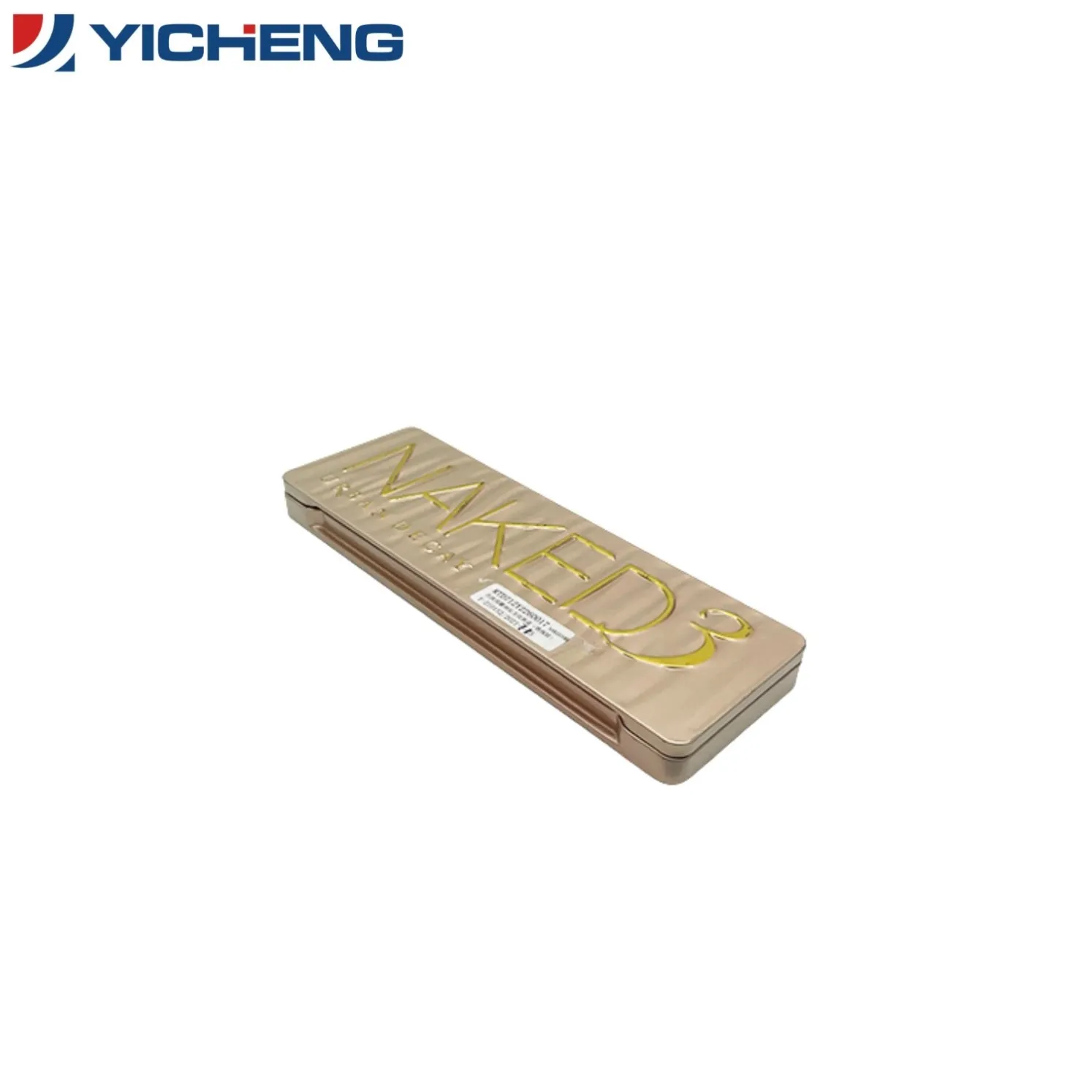
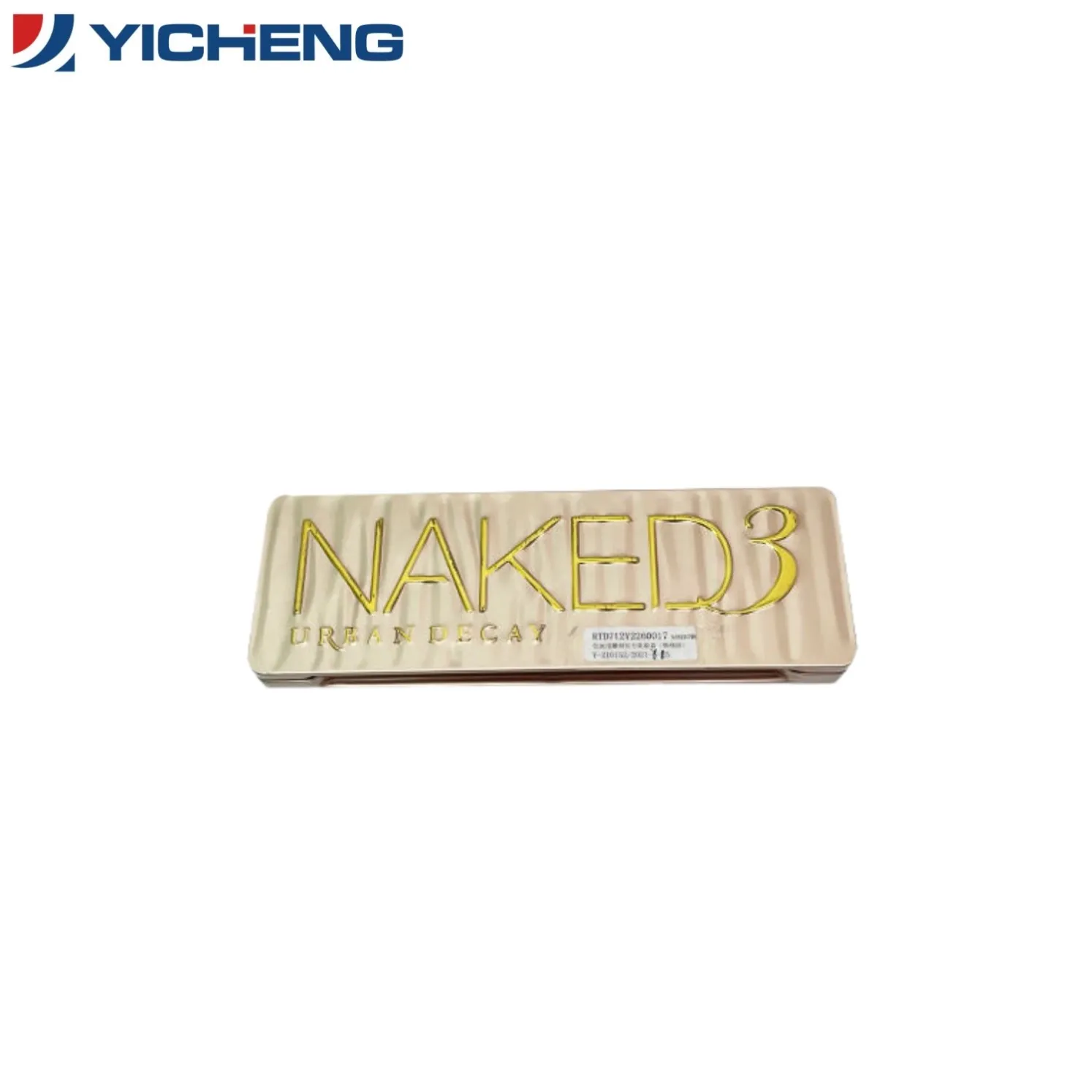
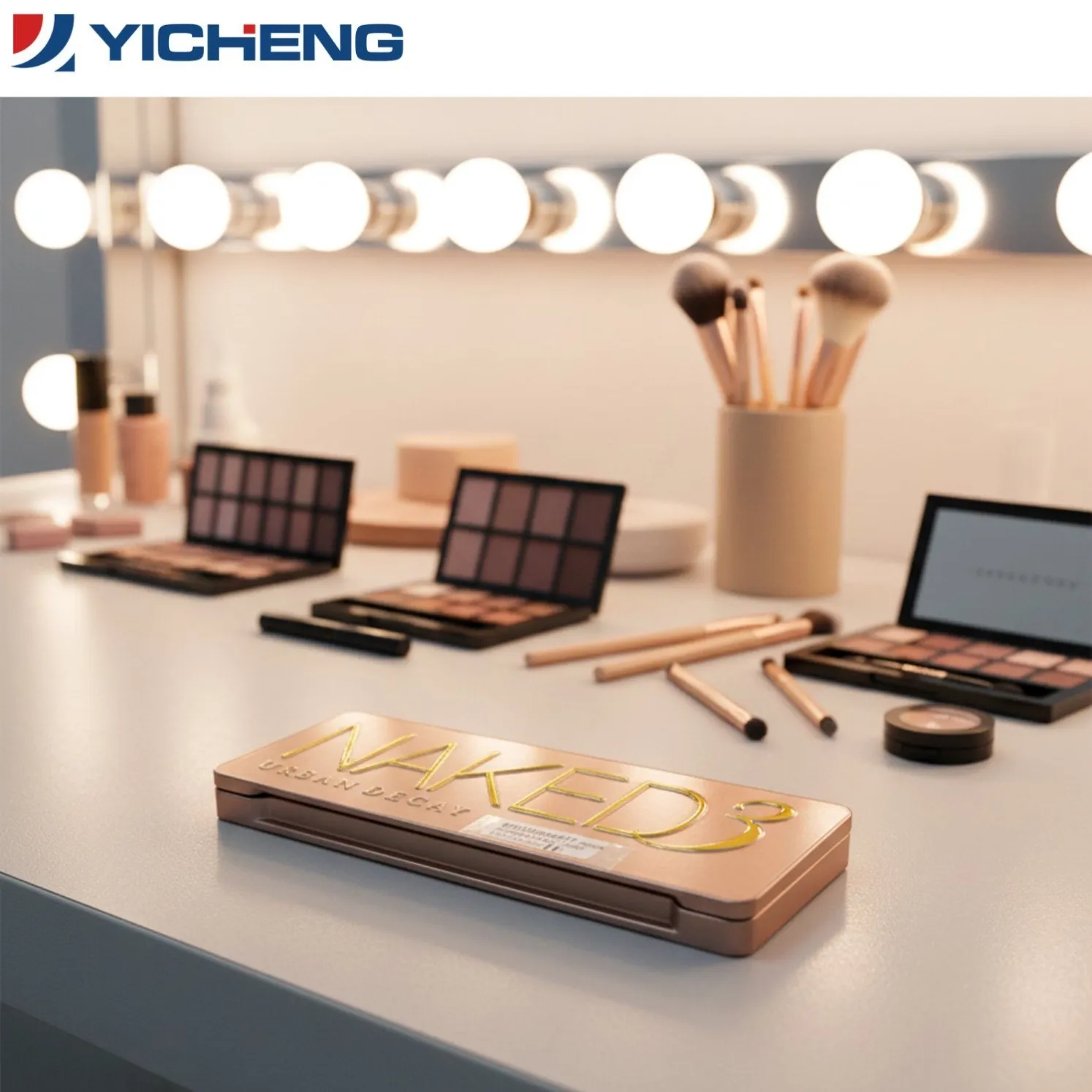
This custom rectangular cosmetic tin box is designed for cosmetic samples, beauty accessories, travel kits and promotional gift sets. Its lid and side panels provide space for brand logos, shade identification and coordinated artwork across a product range.
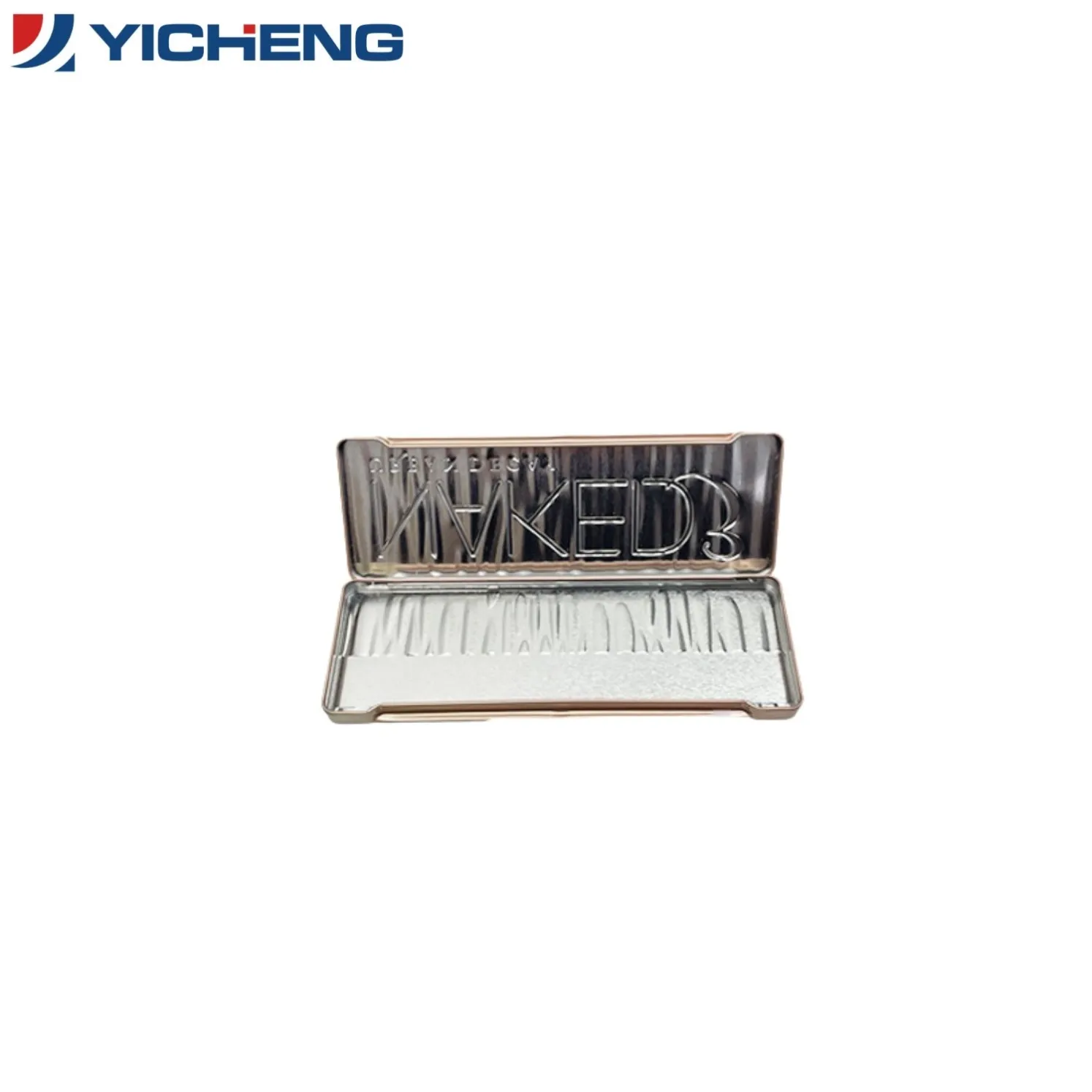
The internal layout should follow the cosmetic components, their individual packaging and any supporting insert. Length, width, height and lid clearance are reviewed together so the contents fit without interfering with closure.
Applications
This rectangular cosmetic tin can be developed for:
- Cosmetic sample collections
- Beauty accessories and compact tools
- Separately packaged personal-care products
- Travel and trial kits
- Promotional beauty gift sets
- Solid balm or wax-based products, subject to compatibility testing
Custom Size, Printing and Finish
Customization options include CMYK or PMS / Pantone offset printing, glossy or matte finishes, metallic effects and embossed or debossed brand details.
Coordinated colors can distinguish formulas, shades or collections while retaining a consistent packaging format. Artwork should account for the lid edges, corners and side panels. Embossing placement must also allow sufficient clearance for the contents and insert.
Prepare artwork on the confirmed dieline and approve printed samples for color, finish and logo definition before production.
Can We Use an Existing Mould?
We first compare the product layout, required internal dimensions and lid structure with available rectangular tin moulds.
An existing mould may accommodate the project through a tailored insert and updated artwork. Custom tooling can be discussed if the component arrangement, required depth or closure cannot be matched.
Formula Compatibility and Product Contact
Direct-contact applications require evaluation of the actual formula against the selected metal, coating, liner and closure. Review filling conditions and intended storage conditions during sampling.
Airtightness, leak resistance and cosmetic compatibility should be supported by testing of the finished package. Testing and documentation requirements depend on the intended use and destination market.
Product Specifications
Parameter | Details |
|---|---|
Material | 0.23–0.28 mm tinplate; final thickness subject to structure |
MOQ | 5,000 pcs |
Price | Negotiable according to order quantity |
Printing | CMYK or PMS / Pantone offset printing |
Exterior Finish | Glossy or matte finish |
Interior Finish | Natural tin silver or gold finish; coating requirements to be confirmed for the packed product |
Special Effect | Metallic effect available |
Design File | AI, PDF or PSD format, preferably above 300 dpi |
Certification / QC Requirements | LFGB, SGS, EN71 and AQL 2.5–4.0 requirements can be reviewed according to the project |
Packaging | 1 pc per polybag; 24 or 48 pcs per master carton |
Carton Weight | Net weight below 15 kg per carton |
FOB Port | FOB Shenzhen |
Markets | Europe, USA, Japan, Middle East and other global markets |
Lid Structure | Lid type, fit and opening method to be confirmed |
Internal Support | Paperboard, EVA or formed-plastic insert according to the component layout |
Product Size | Custom length, width, height and internal clearance based on the packed product |
Manufacturing Procedure
Customer design concept → product and insert layout review → existing mould check → model or tooling development where needed → structure sample confirmation → artwork preparation → printed sample and compatibility evaluation where applicable → sample approval → production and QC tracking → delivery → after-sales service
Quality checks include lid alignment, edge condition, insert retention, coating condition, print registration and protection during packing.
What We Need for a Quotation
Please provide:
- Cosmetic product type and component dimensions
- Number of items and preferred arrangement
- Target tin dimensions and lid preference
- Insert material and product-removal requirements
- Direct-fill or separately packaged application
- Formula and filling information where relevant
- Artwork, finish and embossing requirements
- Order quantity, destination market and required arrival date
FAQ
Can one tin size accommodate different cosmetic sets?
Different inserts may allow the same outer tin to accommodate several layouts. Each arrangement needs to be checked for fit and lid clearance.
Can the tin be filled directly with cosmetics?
Direct filling requires compatibility testing with the actual formula, interior treatment and closure.
Can we customize the logo and colors?
Yes. Printing and embossing can be developed around the confirmed dieline and approved color references.
Request a Quote
Send your cosmetic component dimensions, preferred layout and artwork direction. We will review the insert arrangement, lid clearance, available moulds and sampling requirements for your rectangular cosmetic tin project.