
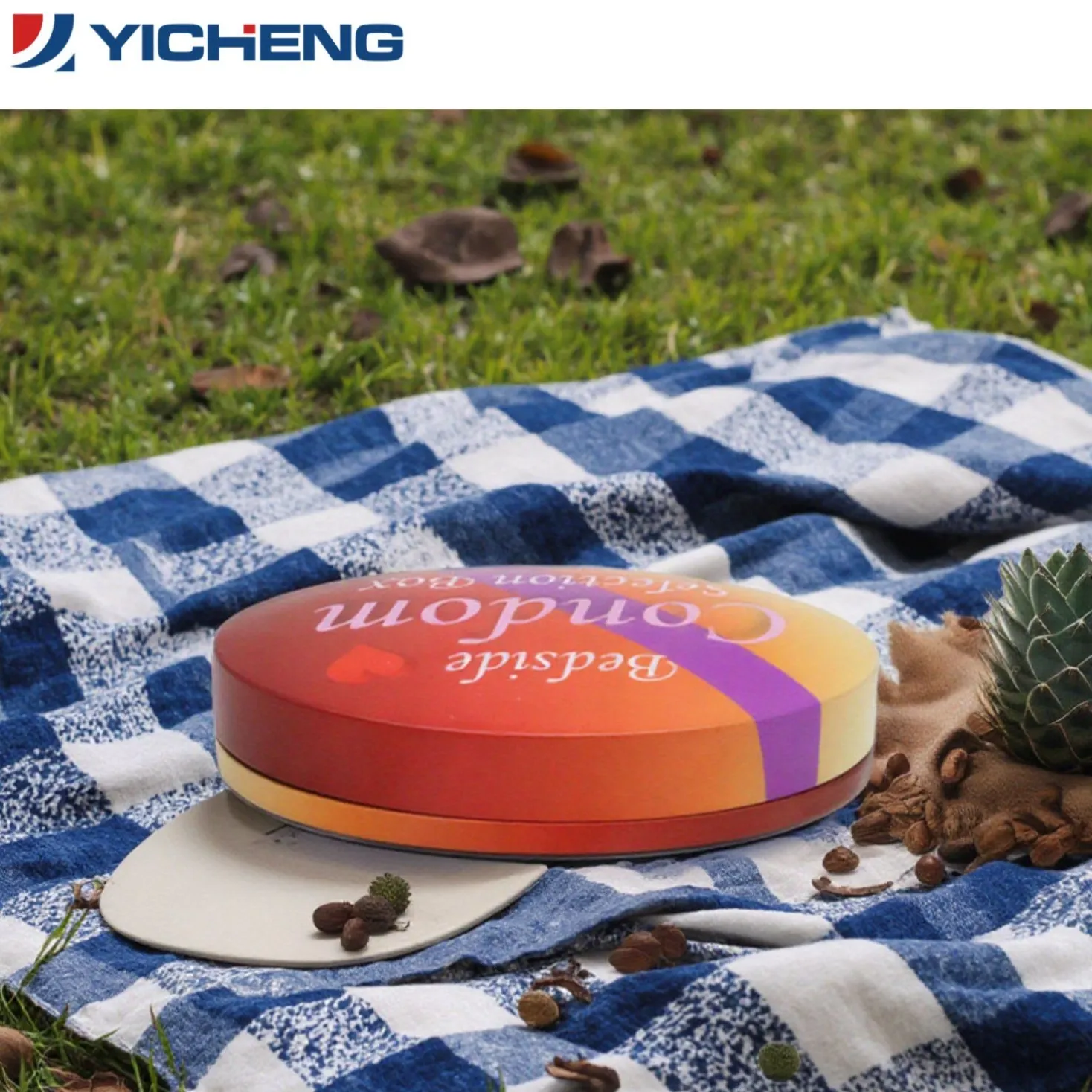
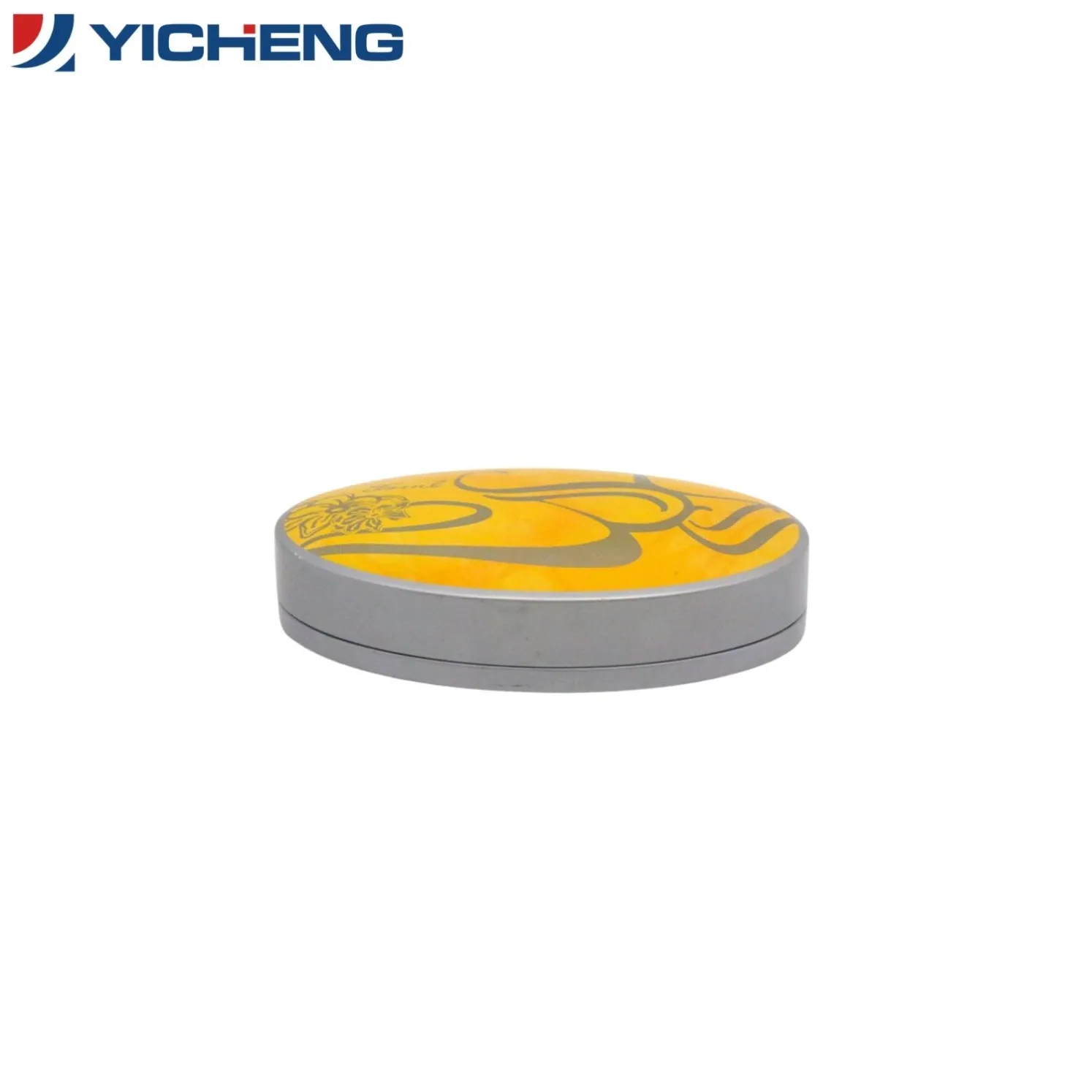
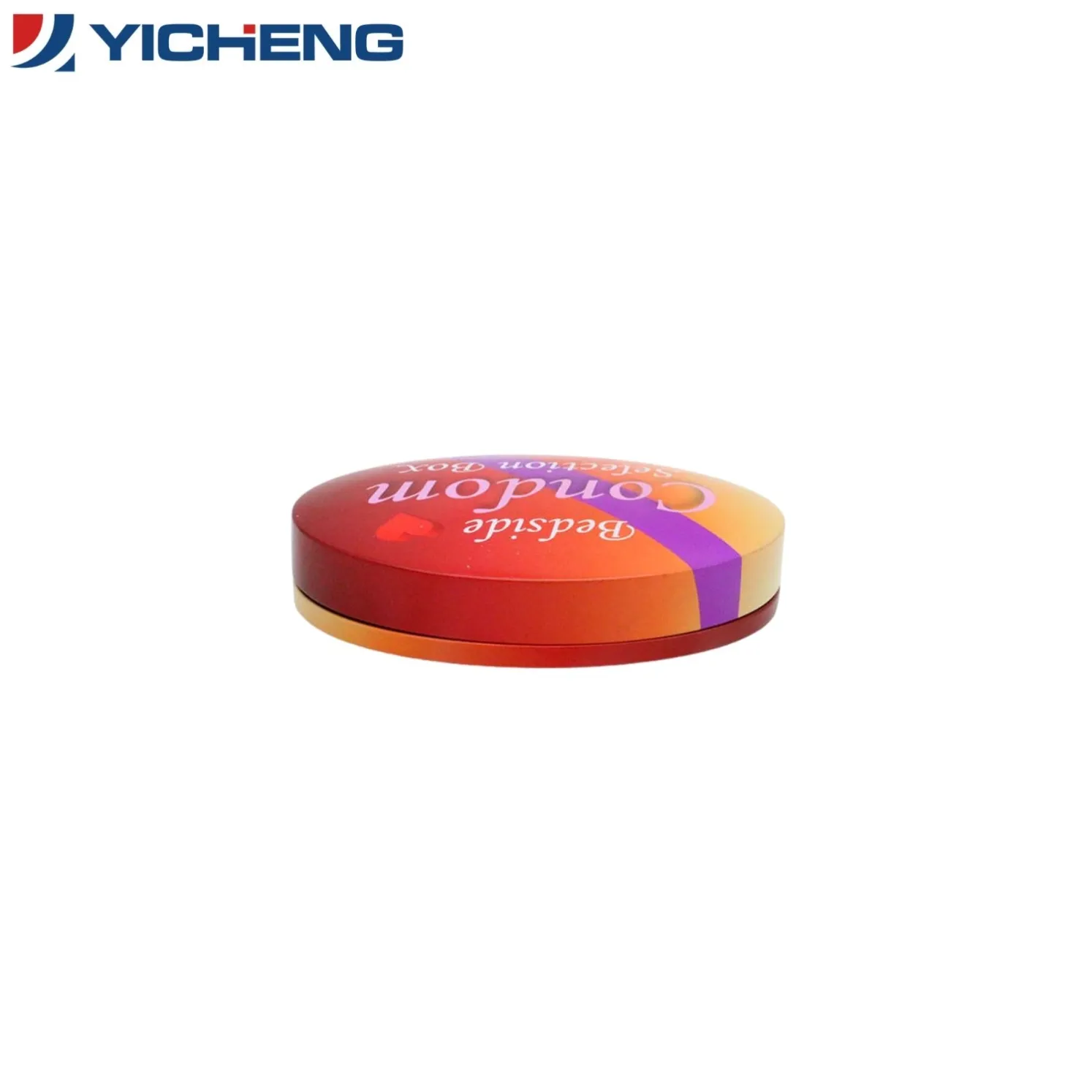
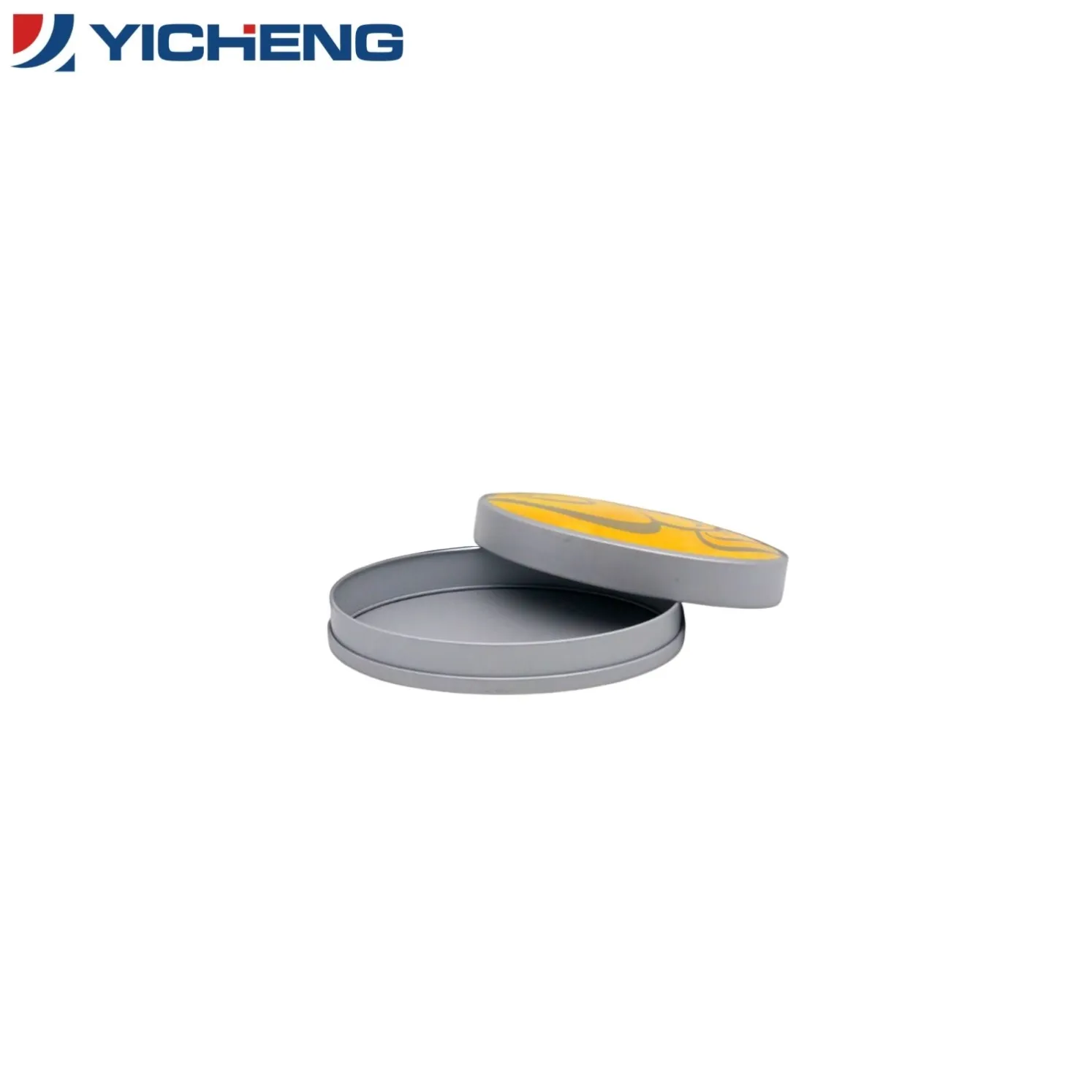
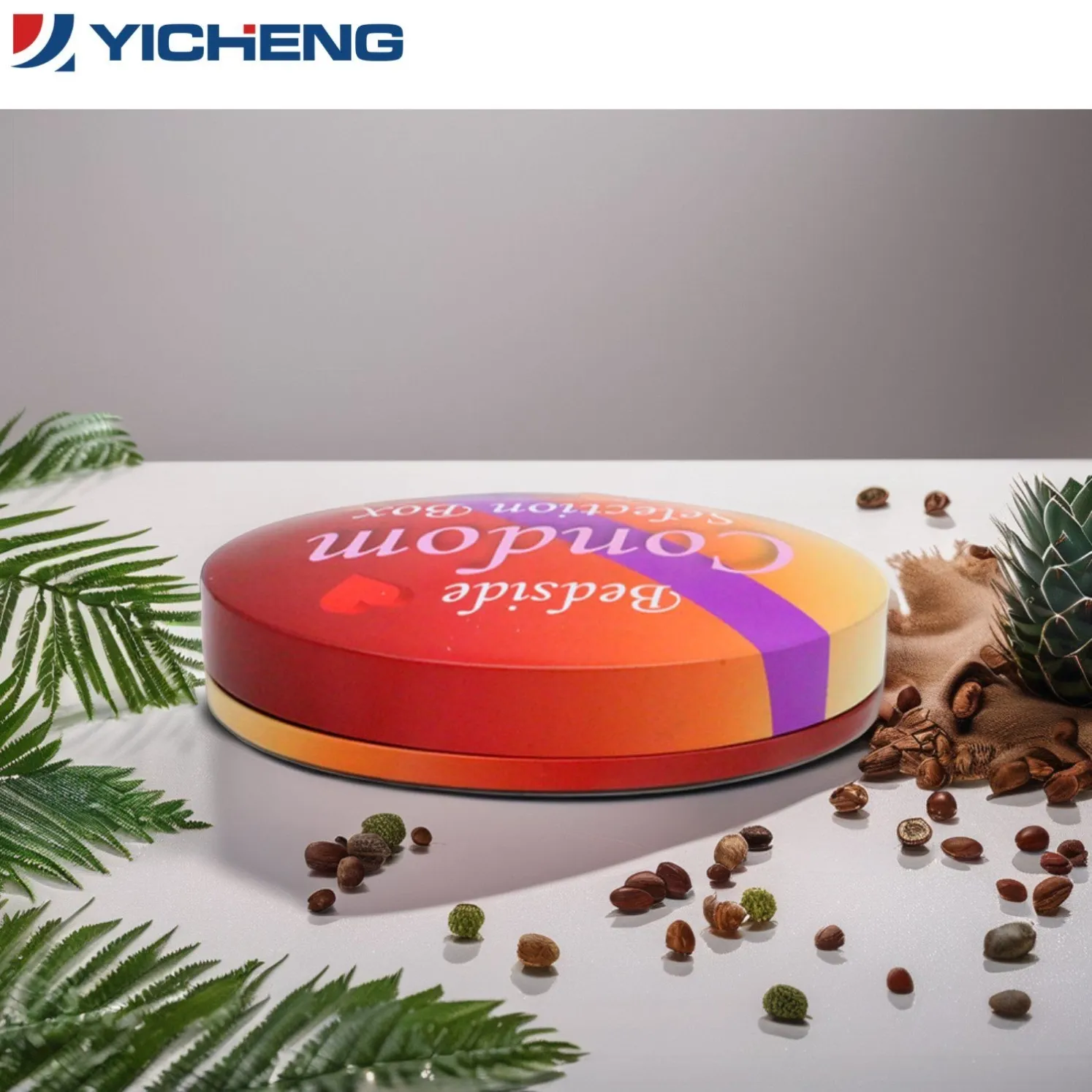
Oval Tin Boxes
Custom Printed Round Tin Can for Food and Gifts
A versatile printed round tin concept for cookies, confectionery, gifts and promotional packaging. Size, artwork, coating and inserts are developed to order.
Custom Printed Small Oval Tin Box for Food and Gifts
Short Product Description
This custom printed small oval tin box is designed for cookies, wrapped confectionery, dry snacks, seasonal assortments and small gifts. Its oval body and broad lid provide a distinctive surface for private-label artwork, logos and product information.
The final length, width, height, lid fit, interior coating and capacity should be confirmed according to the actual product and destination market.
Product Overview
The oval format offers an alternative to standard round or rectangular packaging while maintaining a practical metal structure for retail and gift presentation. Coordinated artwork can be printed across the lid and sidewall to create a unified brand appearance.
For direct food-contact use, the interior coating, liner and applicable compliance documents must be selected according to the actual contents. A photograph alone cannot confirm food-contact suitability, moisture control or barrier performance.
Structure, Capacity and Internal Layout
Before sampling, confirm:
- Product type and dimensions
- Fill quantity and arrangement
- Tin length, width and height
- Internal clearance and headspace
- Lid depth, fit and opening force
- Wrapped or direct-contact packing
- Insert, divider or liner requirements
- Artwork and printable areas
- Packing and distribution conditions
A physical fill test is recommended because cookies, powders, confectionery and dry snacks have different densities and packing behavior.
Applications
This small oval tin box may be considered for:
- Cookies and biscuits
- Wrapped confectionery
- Dry snacks
- Seasonal gift assortments
- Promotional gifts
- Small keepsakes
- Private-label retail packaging
Printing and Customization
Available options may include:
- CMYK or PMS / Pantone offset printing
- Glossy or matte finish
- Full-lid and sidewall artwork
- Seasonal and gift-themed designs
- Metallic visual effects
- Embossed or debossed logos
- Paperboard, EVA or formed-plastic inserts
- Dividers, liners or protective bags
- Customized oval dimensions and lid structure
Artwork should be prepared on the confirmed dieline, with fonts, barcodes and legal copy checked before approval. Final colors and decorative finishes should be confirmed through sampling.
Existing Mould or Custom Tooling
We will first check whether a suitable existing oval tin mould matches the required dimensions, lid structure and internal capacity. If the product arrangement, artwork area or opening performance requires a different structure, custom tooling can be discussed after the project details are confirmed.
Product Specifications
Parameter | Details |
|---|---|
Material | 0.23–0.28 mm tinplate; final thickness subject to structure |
MOQ | 5,000 pcs |
Price | Negotiable according to order quantity |
Printing | CMYK or PMS / Pantone offset printing |
Exterior Finish | Glossy or matte finish |
Interior Finish | Natural tin silver or gold finish; coating or liner requirements to be confirmed for food use |
Special Effect | Metallic effect available |
Design File | AI, PDF or PSD format, preferably above 300 dpi |
Certification / QC Requirements | LFGB, SGS, EN71 and AQL 2.5–4.0 requirements can be reviewed according to the project |
Packaging | 1 pc per polybag; 24 or 48 pcs per master carton |
Carton Weight | Net weight below 15 kg per carton |
FOB Port | FOB Shenzhen |
Markets | Europe, USA, Japan, Middle East and other global markets |
Lid Structure | Removable fitted lid |
Internal Layout | Open space, insert, divider or liner to be confirmed |
Product Size | Custom length, width, height and internal clearance based on the packed product |
Food-Contact Requirements | To be confirmed according to the contents and destination market |
Quality, Packing and Shipment
Important checks include oval shape, lid alignment, opening force, print registration, color consistency, coating condition, insert fit and carton protection. Functional requirements such as repeated-use performance and product protection should be included in the approved specification.
Carton quantity, dimensions and gross weight are confirmed after the final tin size and packing method are fixed.
What We Need for a Quotation
Please send the intended contents, product dimensions, fill quantity, target oval tin size, lid preference, insert requirements, artwork direction, order quantity, destination market and testing requirements.
Request a Quote
Send the product and artwork details. We will review the internal capacity, lid fit, suitable existing moulds and custom tooling direction for your small oval tin box project.