
Chocolate tins
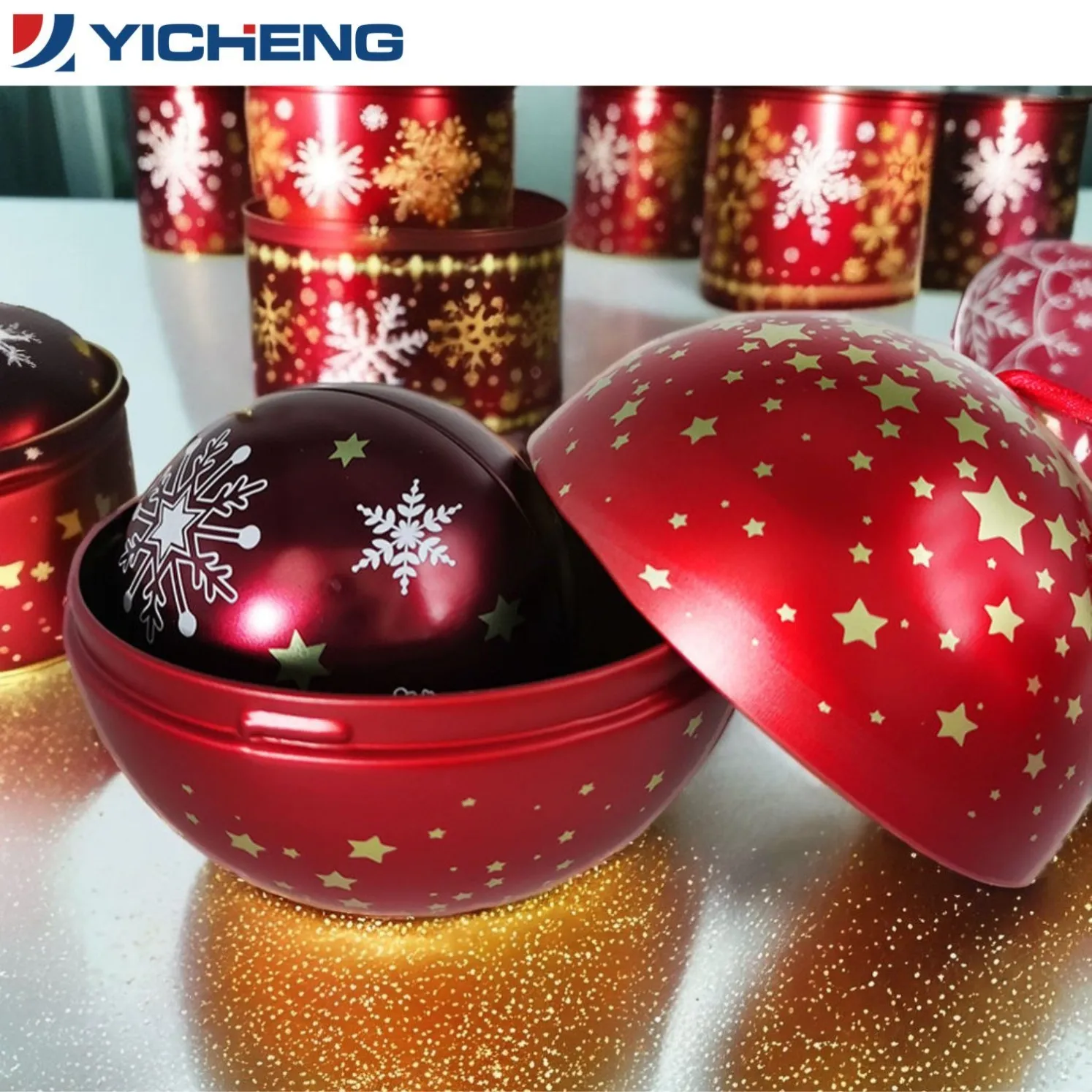
Custom Ball-Shape Christmas Candy Tin Box
An original seasonal round tin concept for candy, cookies and holiday gift assortments. Artwork, size, food-contact requirements and delivery schedule are developed for each project.
Custom Ball-Shape Christmas Candy Tin Box for Holiday Gifts
Product Introduction
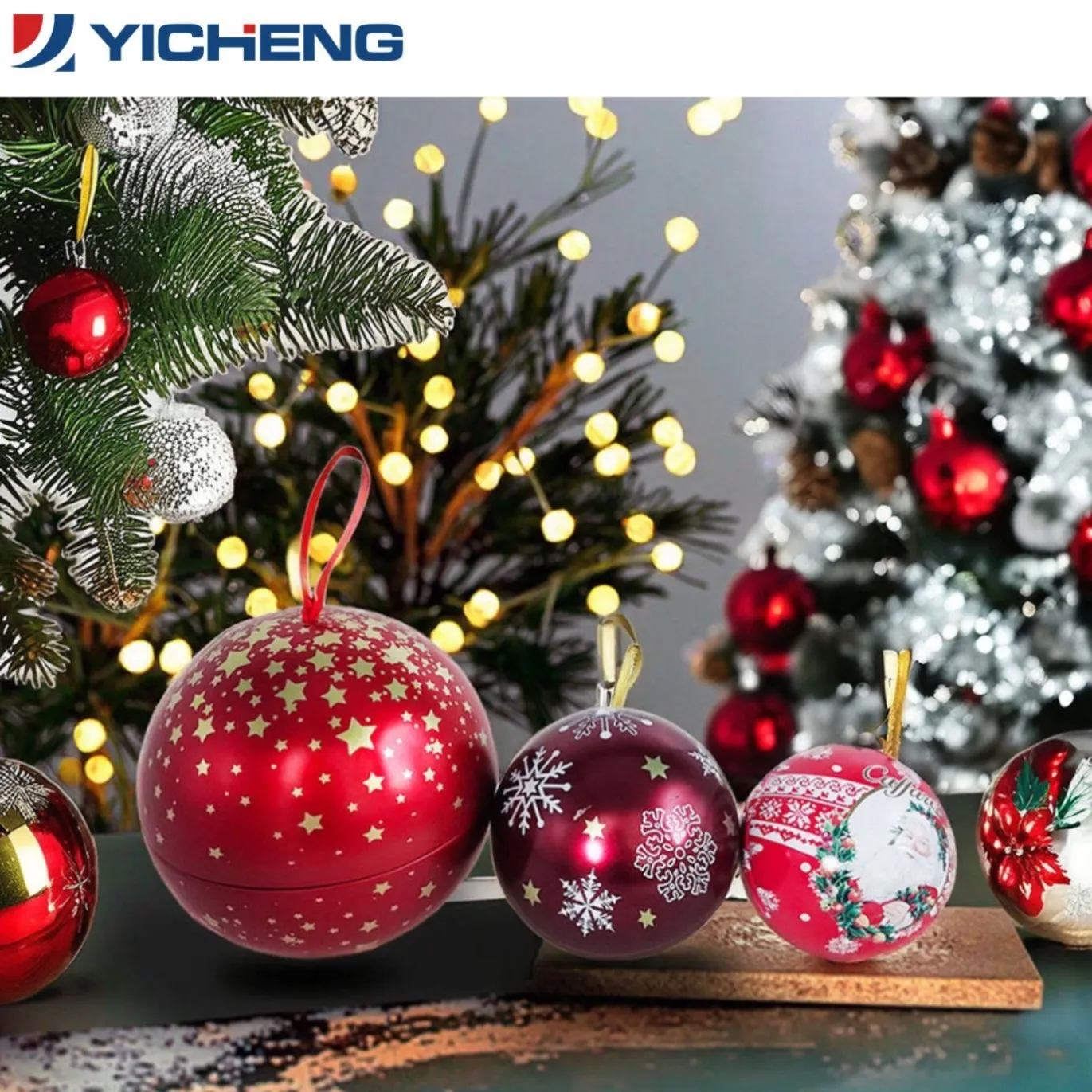
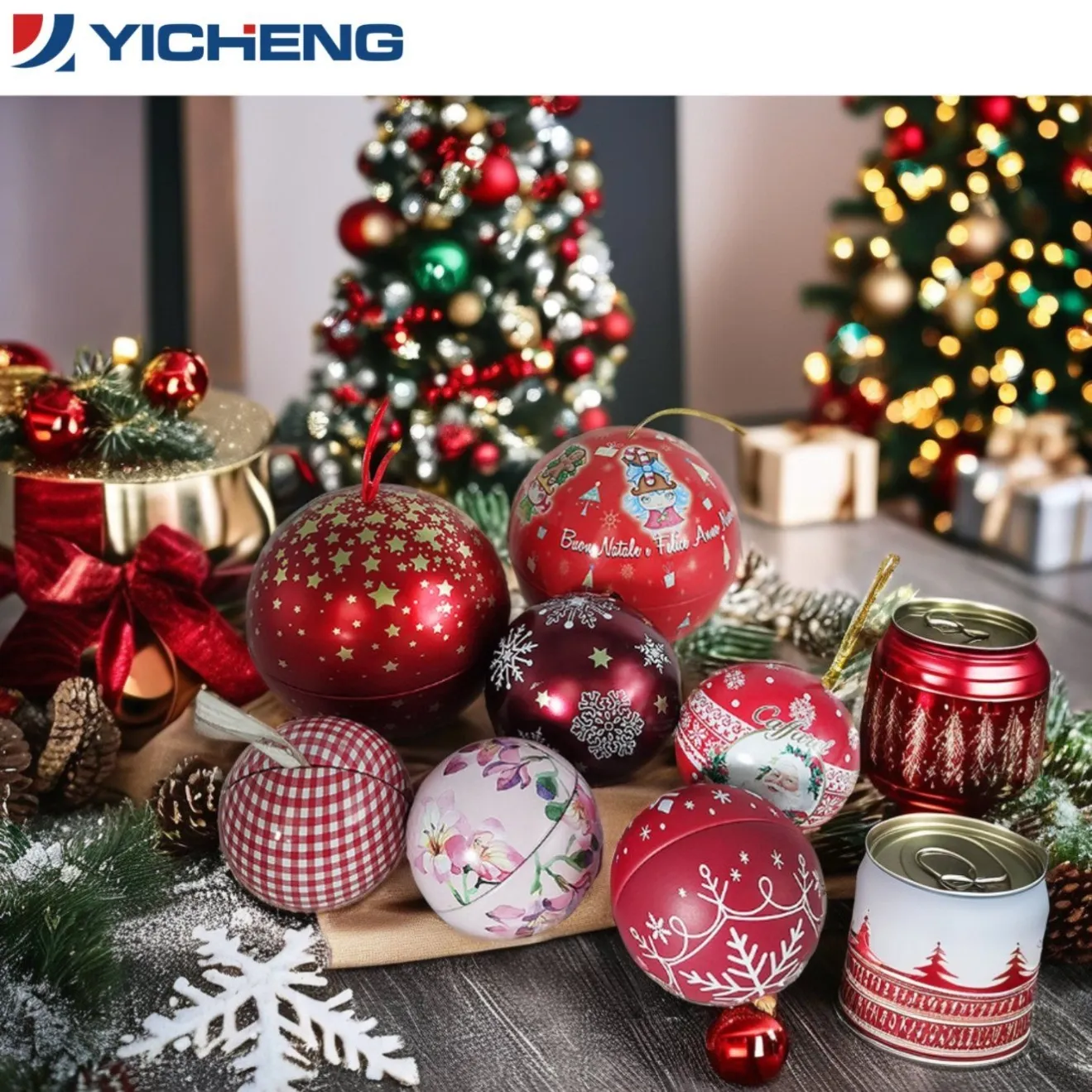
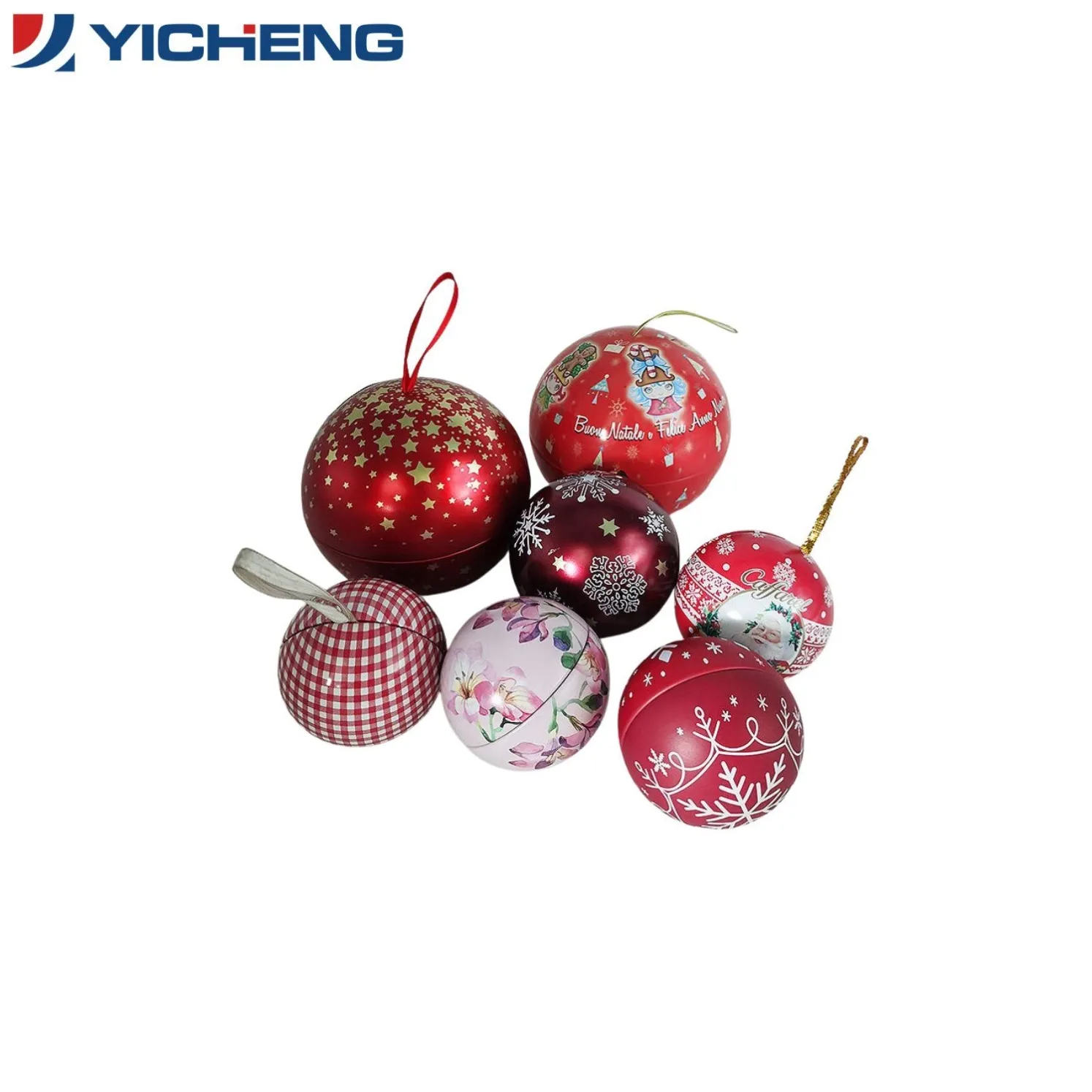
This custom ball-shape Christmas tin box is designed for wrapped candy, cookies, confectionery assortments, holiday gifts, promotional packs and seasonal retail packaging.
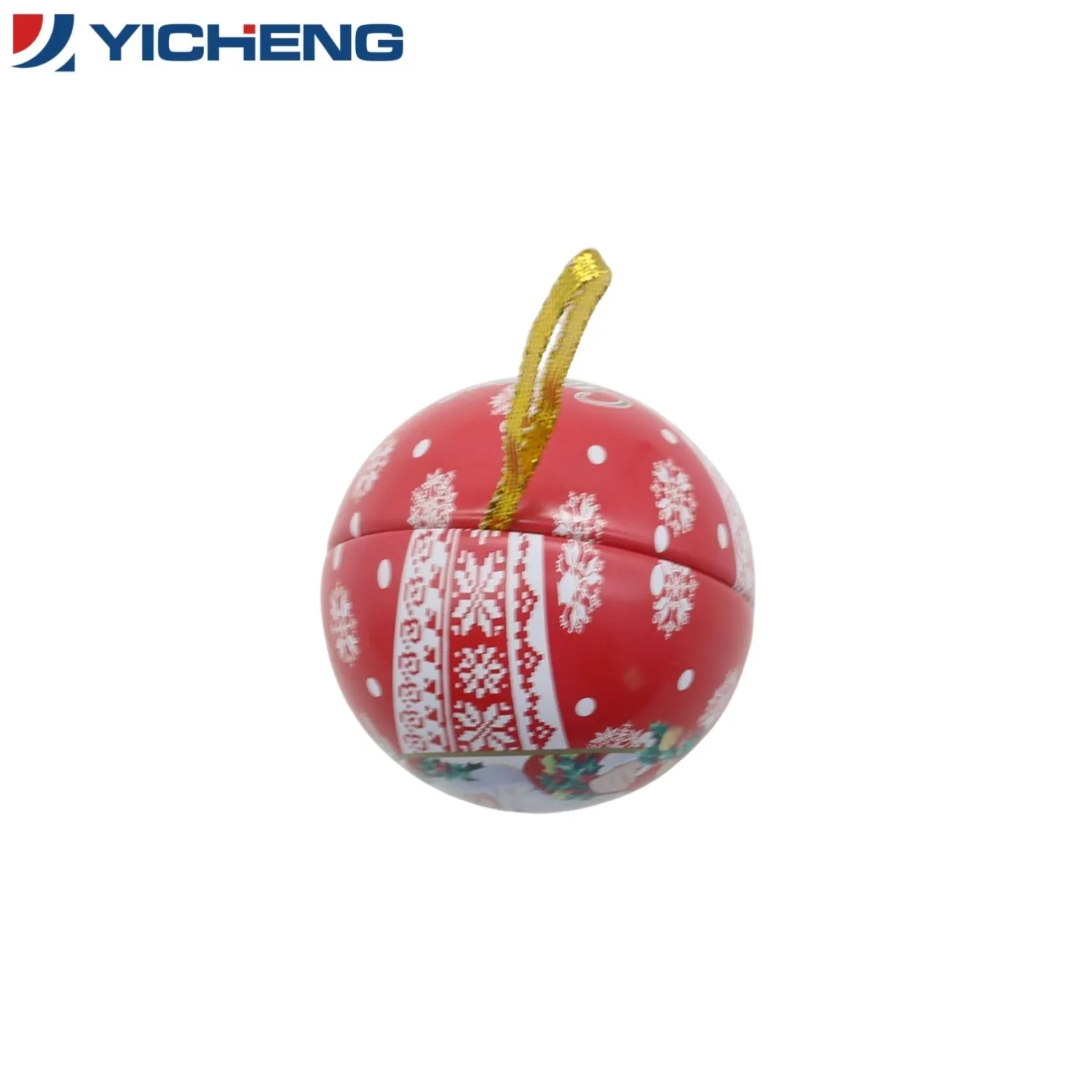
The festive round format provides a strong central area for Christmas artwork, brand graphics and seasonal messages. The sidewall can carry supporting patterns, product information or coordinated color bands. Final dimensions, lid fit, internal clearance and usable capacity should be confirmed according to the packed product before sampling.
Product Structure and Internal Support
The ball-shape tin should be developed around the actual contents and packing method. Confirm:
- Packed product type and quantity
- Product dimensions and fill weight or volume
- Tin diameter, height and internal clearance
- Removable-lid depth, fit and opening force
- Product arrangement and headspace
- Paper insert, tray, divider or protective-bag requirements
- Product removal and packing method
- Artwork and printable areas
- Whether a hanging or display function is required
The product photographs do not by themselves confirm airtightness, moisture resistance, food-contact suitability, child resistance or hanging strength. Any such requirement should be tested on the completed structure.
Applications
This format can be considered for:
- Wrapped candy and chocolate
- Cookies and confectionery assortments
- Christmas and holiday gifts
- Party favors
- Promotional packs
- Seasonal retail displays
- Corporate gift packaging
Custom Size, Printing and Finish
Available options may include CMYK or PMS / Pantone offset printing, customer-owned Christmas artwork, glossy or matte finish, metallic visual effects, embossed or debossed logos, seasonal illustrations and coordinated sidewall artwork.
Artwork should be prepared on the confirmed dieline. Fonts, barcodes, product information and required legal copy should be checked before approval. Pantone references or approved color samples are recommended when brand color consistency is important.
Can We Use an Existing Mould?
We first compare the required diameter, height, lid structure and internal clearance with suitable existing round or ball-shape tin moulds.
If the product arrangement, artwork coverage, opening method or display requirement needs a different structure, custom tooling can be discussed after the product information and artwork direction are confirmed.
Product Specifications
Parameter | Details |
|---|---|
Material | 0.23–0.28 mm tinplate; final thickness subject to structure |
MOQ | 5,000 pcs |
Price | Negotiable according to order quantity |
Printing | CMYK or PMS / Pantone offset printing |
Exterior Finish | Glossy or matte finish |
Interior Finish | Natural tin silver or gold finish; coating requirements to be confirmed for the packed product |
Special Effect | Metallic effect available |
Design File | AI, PDF or PSD format, preferably above 300 dpi |
Certification / QC Requirements | LFGB, SGS, EN71 and AQL 2.5–4.0 requirements can be reviewed according to the project |
Packaging | 1 pc per polybag; 24 or 48 pcs per master carton |
Carton Weight | Net weight below 15 kg per carton |
FOB Port | FOB Shenzhen |
Markets | Europe, USA, Japan, Middle East and other global markets |
Lid Structure | Ball-shape or round body with removable lid; final fit and opening force to be confirmed |
Product Size | Custom diameter, height and internal clearance based on the packed product |
Manufacturing Procedure
Customer design concept → preliminary construction review → existing mould check → tooling discussion where needed → structure sample confirmation → artwork preparation → printed tin sample → sample approval → production and QC tracking → delivery → after-sales service
What We Need for a Quotation
Please send the packed product type and quantity, product dimensions or fill volume, target tin dimensions, preferred lid structure, insert requirements, artwork direction, order quantity, destination market and any display or testing requirements.
FAQ
Can the Christmas artwork be changed?
Yes. Customer-owned holiday artwork can be adapted to the confirmed printable areas and dieline.
Can the tin be used as a hanging ornament?
Only if the hanging structure and load requirement are specifically designed and tested. This function should not be assumed from the shape alone.
Can you confirm MOQ and lead time from the image?
No. MOQ and timing depend on mould availability, dimensions, printing, finishing, quantity and testing.
Request a Quote
Send the packed product information, target tin dimensions and Christmas artwork direction. We will review the internal space, lid structure, seasonal printing, existing mould direction and next sampling step.